Acupuncture, developed in China over 2,000 years ago, is presently the primary form of medicine for over 40% of the world’s population. Acupuncture recognizes and works with energy pathways called “meridians” that allow the movement of energy through the body in much the same way that an electrical system allows electrical current to flow through a house. In fact, acupuncture points carry a low-level electrical charge which can be measured in the body. Although we can not see electrical current, we can feel it, and the same is true for the energy current – called “Qi” – that flows through the body’s meridians. Specific points along acupuncture meridians provide a connection to internal organs, muscles, and all physiological functions of the body. We can think of these meridians and points as an electrical system that supplies energy, light and warmth to our body. If the pathways are blocked, parts of our system do not receive the energy current, or Qi, that they need and imbalance and illness follow. If the energy current moving through these pathways decreases due to illness or stress, acupuncture points can be used to open the flow and boost the “Qi” in the system, revitalizing overall health and vitality.
Another approach for diagnosis and treatment in Traditional Chinese medicine is the five element school of practice.
Another approach for diagnosis and treatment in Traditional Chinese medicine is the five element school of practice. Five element theory began by observing the inter relationships of various patterns in nature, realizing that the human body is but a microcosm of the natural environment which supports and sustains us. Just as different climates and environments have their own unique attributes, individuals have their own unique health and personality traits as well. The nature of a particular environment tells us a lot about how it will respond to change. A thunderstorm in the hot dry desert will have a very different affect than a similar amount of rainfall in an equatorial rain forrest. Similarly, illnesses may be identical, but each person’s response to them will vary according to their elemental nature. The five elements are: earth, water, fire, wood and metal. Each of the five elements corresponds to specific organs, colors, seasons, and physical and emotional characteristics and health patterns. The five element framework provides a template for discerning how to understand and respond to your body’s unique needs for balance.
As an Acupuncturist, my first job is to diagnosis blockage in the body and to choose points along specific pathways which will open and renew the flow of energy so that the body returns to optimal functioning. I then place small, thin, sterile acupuncture needles in the specific points along the meridians that my diagnosis indicates will be most effective. The needles are a means to access the body’s internal physiological processes safely and painlessly.
What conditions can Acupuncture treat?
The WHO ( World Health Organization ) recognizes over 100 conditions appropriate for Acupuncture therapy. The list includes various types of chronic and acute pain along with many internal conditions relating to immune function, digestive health, gynecological issues, musculoskeletal and neurological disorders sleep problems, and many other concerns.
In my Acupuncture practice I focus on treating the person, not just the disease. No issue is too big or too small to address. No matter what the health condition, my foremost concern is with the patient as a whole and his/her overall state of health and well being. Working with the body as a balanced, integrated, unified system, any number of concerns and conditions can be treated simultaneously. In addition to improvement of specific conditions, most patients report that treatments produce an overall increase in energy and vitality, along with an enhanced sense of balance and well being.
For information about research on Acupuncture you can contact the National Institute of Health library of medicine at 1-888-346-3056 or online at: http://www.nlm.nih.gov/pubs/cbm/acupuncture.html.
Do I Have to Believe in Acupuncture for it to work?
No. Acupuncture works whether you believe in it or not. In fact, we use Acupuncture to treat cats, dogs, and horses, as well as people from many diverse backgrounds and belief systems with equal efficacy.
Do I have to choose between Acupuncture and other forms of health care?
No. Acupuncture is often the perfect complement to conventional therapies. Many people seek Acupuncture and herbal treatment during the course of other medical interventions. Acupuncture treatment can assist with preparing for, or recovering from, surgery, radiation, chemotherapy or other medical procedures and medications. I work closely with patients and their other health care providers to insure that they receive the best care from all possible sources.
What should I expect at my first treatment?
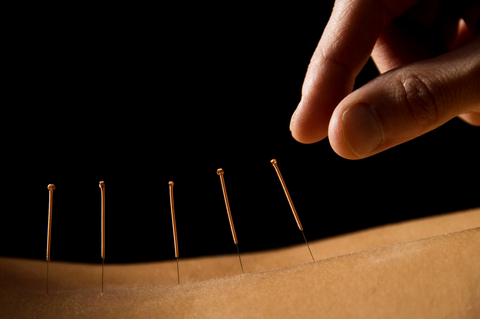 I will ask many questions about your past and present health history, including past illnesses, surgeries, medications and life stressors that may have shaped your current health picture. I then check your pulse and look at your tongue, as pulse and tongue diagnosis provides information about your internal physiology. Next you receive an acupuncture treatment, which may also include some light massage to help relax muscles and facilitate the flow of energy. I may also suggest a Chinese herbal formula and/or dietary suggestions to support the focus of treatment.
It is important to come to treatment well hydrated and neither too hungry nor too full. It is recommended to allow some down time after treatment, allowing your body an opportunity to assimilate the deep benefits of balance and relaxation.
How many treatments are needed?
The number of treatments necessary to clear any condition depends on the severity of the illness and the patient’s overall health. In general, acute conditions require one or two treatments, while chronic health problems can take longer to treat. Many people in my practice continue occasional “tune-ups” after their initial pain or illness is gone. These tune-up treatments keep the body functioning at it’s optimum in order to avoid common illnesses. Interestingly, in China, patients traditionally paid their doctor only when well – not when they were sick. This is a truly prevention based medicine!